F-15C Air-to-Air Missiles
The F-15C carries a mix of medium-range radar-guided missiles and short-range infrared missiles. Successful employment depends on more than selecting the right weapon: the pilot must manage launch range, target aspect, missile energy, guidance support, and defensive timing.
Missile Fundamentals
Air-to-air missiles have short rocket motor burn times. After burnout, the missile glides and loses energy to drag and maneuvering. A fast, high-altitude launch gives the missile more energy; a low-altitude, slow, tail-chase launch gives it far less.
Key factors:
- Launch speed: The missile starts with the launch aircraft's velocity.
- Launch altitude: Thin air reduces drag and increases effective range.
- Target aspect: Head-on shots have greater reach than tail-chase shots.
- Target maneuvering: High-G target turns force the missile to spend energy.
- Minimum range: A missile fired too close may not arm, guide, or turn in time.
Guidance Categories
| Category | F-15C weapon | Guidance requirement |
|---|---|---|
| Active radar homing | AIM-120 AMRAAM | Mid-course support until the missile goes active is preferred |
| Semi-active radar homing | AIM-7 Sparrow | F-15C radar must illuminate the target until impact |
| Infrared homing | AIM-9 Sidewinder | Seeker tracks heat signature; no radar illumination required |
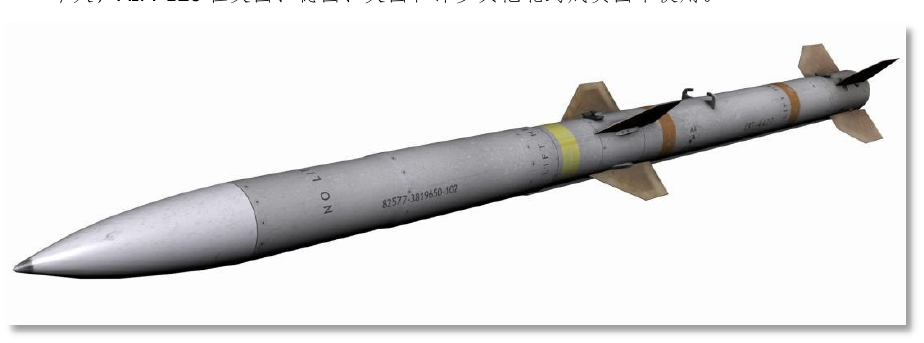
AIM-120 AMRAAM
The AIM-120 is the F-15C's main beyond-visual-range weapon. It can receive launch aircraft support during mid-course flight and then guide independently after its own active radar seeker turns on.
Variants
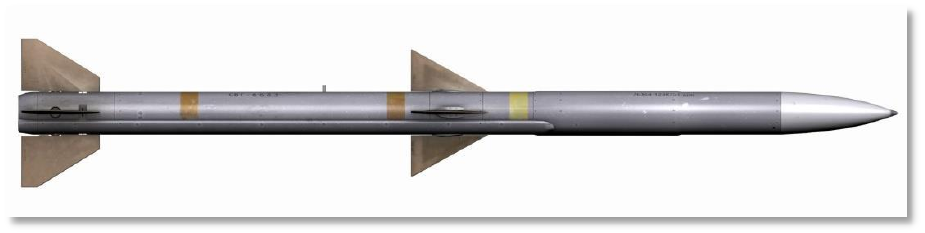
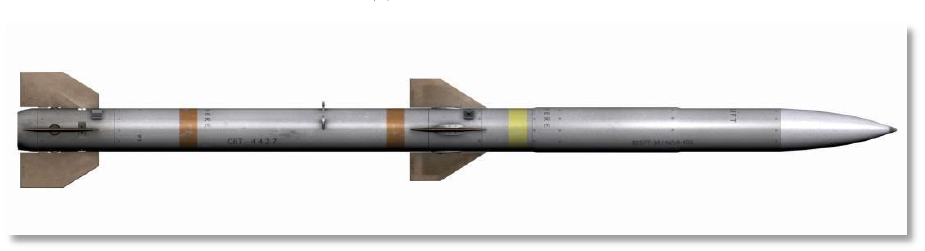
- AIM-120A: Initial AMRAAM model.
- AIM-120B: Improved electronics and reprogrammable guidance section.
- AIM-120C: Clipped control surfaces and continued guidance, maneuverability, and counter-countermeasure improvements.
Employment Notes
Use radar LRS, TWS, or STT to build the shot. TWS is preferred when sorting multiple targets and delaying hard-lock warning. STT gives a more stable track but warns the target. Support the missile until active when tactically possible, then decide whether to continue, crank, or defend.
AIM-7 Sparrow
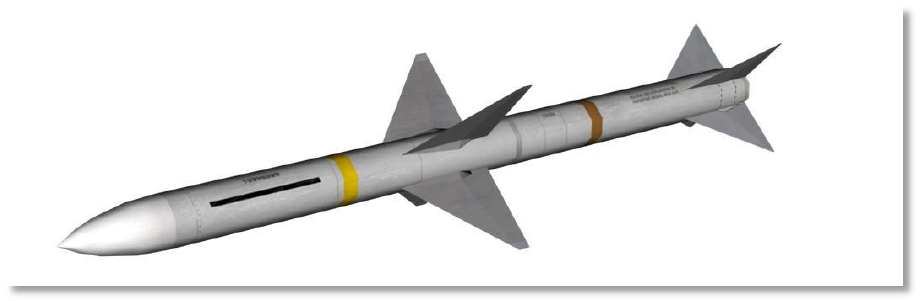
The AIM-7 is a semi-active radar homing missile. It does not carry its own radar transmitter; it homes on radar energy reflected from the target.
Variants
- AIM-7E/E2: Earlier Sparrow variants, including short-range dogfight improvements in the E2.
- AIM-7F: Dual-thrust motor and improved electronics.
- AIM-7M: Monopulse seeker, better low-altitude performance, and improved electronic counter-countermeasures.
Employment Notes
Fire the AIM-7 from STT when possible. Maintain lock until impact; if you break the radar lock, the missile loses guidance. Flood mode is a close-range backup but requires the target to remain inside the flood circle throughout missile flight.
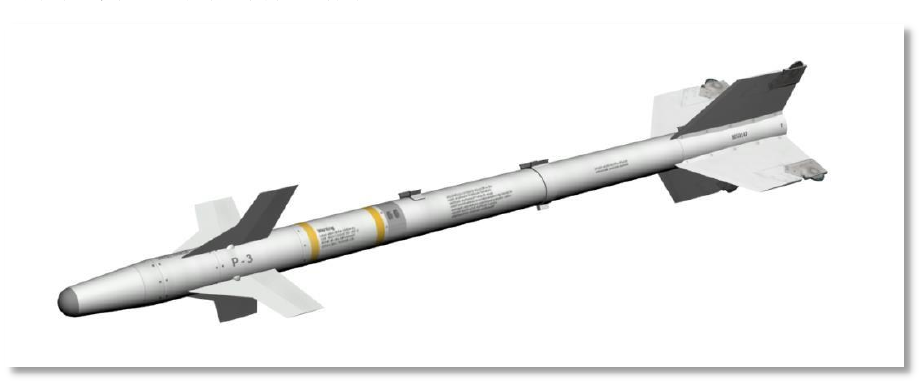
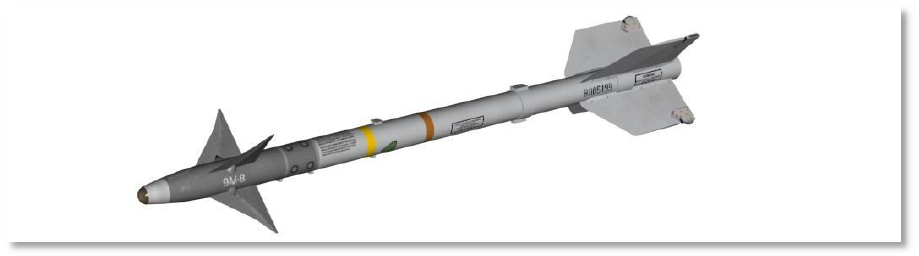
AIM-9 Sidewinder
The AIM-9 is a short-range infrared missile for close combat. It is passive, so a launch does not create a radar warning for the target.
Variants
- AIM-9P: Rear-aspect missile. It is most effective from behind the target.
- AIM-9L: All-aspect Sidewinder capable of head-on heat detection under suitable conditions.
- AIM-9M: Improved seeker behavior, reduced smoke motor, and better resistance to flares.
Employment Notes
Use radar-slaved mode when a radar lock exists, or caged/uncaged seeker mode when fighting visually. Wait for a confident seeker tone and shoot within range. Against maneuvering targets, close the range and improve aspect before launch instead of firing as soon as the seeker sees heat.
Launch Discipline
Before pressing weapon release, confirm:
- The selected missile matches the tactical situation.
- The target is identified and within the intended rules of engagement.
- The target is inside useful range, not merely theoretical maximum range.
- Your aircraft has enough energy to support, crank, or defend after launch.
- Friendly aircraft are not inside the seeker or radar support volume.